Understanding Foot Cramps: The Core Causes
A sudden foot cramp can be a painful interruption. So, what causes foot cramps? These common, involuntary muscle spasms can be very disruptive, and many factors contribute to the sharp pain.
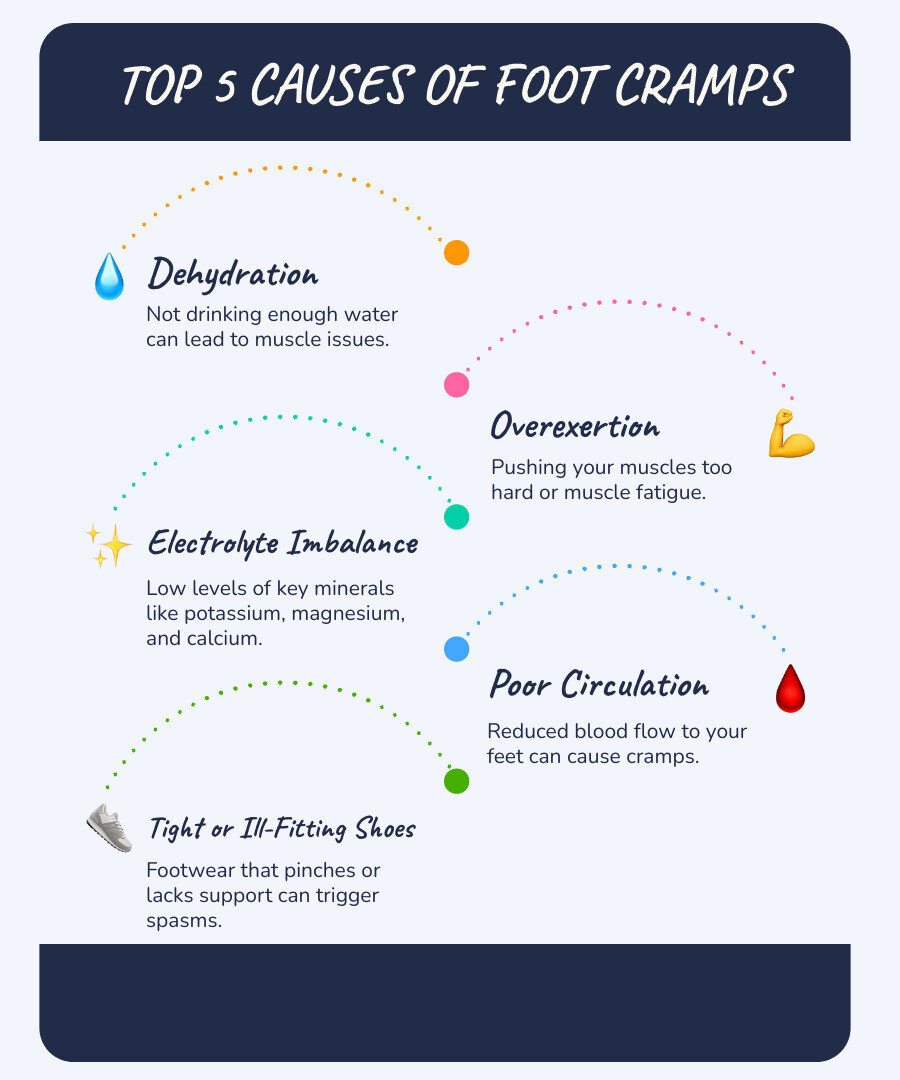
Here are the primary reasons your feet might cramp:
- Dehydration: Not drinking enough water can lead to muscle issues.
- Overexertion or Muscle Fatigue: Pushing your muscles too hard can make them cramp.
- Electrolyte Imbalances: Low levels of key minerals like potassium, magnesium, and calcium.
- Poor Circulation: Reduced blood flow to your feet can cause cramps.
- Tight or Ill-Fitting Shoes: Footwear that pinches or lacks support can trigger spasms.
Understanding the root causes is the first step toward finding relief. At Neuropasil, we've dedicated our work to understanding and alleviating discomfort, including exploring what causes foot cramps and how to bring effective relief. Our experience centers on helping people regain comfort and freedom from muscle and nerve pain.
What are Foot Cramps and What Do They Feel Like?
What does a foot cramp feel like? It's a sudden, involuntary muscle contraction that can range from mildly annoying to excruciating. When a cramp strikes, the muscle contracts forcefully and won't relax. The sensation is a sharp, intense knot, and you might see the muscle tighten or feel a hard lump under the skin.
Where do foot cramps happen? Most commonly, you'll feel them in the arch of your foot, around your toes (especially when they curl under involuntarily), or across the top of your foot. The pain can last anywhere from a few seconds to several uncomfortable minutes. Even after the cramp subsides, the area may feel sore and tender for hours.
These nocturnal attacks are common. Research shows about 75% of reported leg and foot cramps happen at night, disrupting sleep. Nearly every adult over 50 will experience at least one, and for those over 60, about a third deal with them at least once every two months. We understand how frustrating this can be!
What the Sensation Means
Beyond the immediate pain, understanding what causes foot cramps on a deeper level can help you address them more effectively. Your muscles are complex systems that depend on a delicate balance of nerve signals, blood flow, and chemical messengers.
When muscle fatigue sets in—from overdoing a workout, standing too long, or wearing uncomfortable shoes—your muscles become exhausted and more susceptible to cramping. They've been pushed beyond their comfort zone.
The real culprit behind most cramps involves nerve signals gone haywire. Your nervous system normally sends controlled messages to your muscles, telling them when to contract and relax. But sometimes these signals become dysregulated, causing muscles to contract involuntarily. This is known as peripheral nerve hyperexcitability.
Restricted blood flow also plays a significant role. When muscles don't receive adequate blood supply, they're starved of oxygen and essential nutrients while waste products accumulate. This can cause them to sputter and stall, much like a car without enough gas.
While foot cramps are usually temporary and harmless, their intensity can be alarming. The good news is that understanding these mechanisms is the first step toward finding relief and prevention strategies that work.
What Causes Foot Cramps? A Deep Dive into Common Triggers
Understanding what causes foot cramps can empower us to take preventative measures and find effective relief. We've identified several key factors, ranging from daily habits to underlying medical conditions. Let's explore each one so you can better understand what might be triggering those painful spasms.

Lifestyle and Environmental Factors
Often, the culprits behind our foot cramps are hiding in our daily routines.
Overexertion and muscle fatigue are among the most common triggers. When we push our bodies harder than usual—whether through a long run, a new workout, or just spending hours on our feet—our muscles can rebel. According to a 2019 review, exercise-related muscle cramps are the condition most commonly requiring medical attention during sports. It's key to listen to your body and allow for adequate recovery time. An evidence-based review of exercise-associated muscle cramps provides detailed insights into this topic.
Prolonged sitting or standing can also set the stage for foot cramps. This static positioning can reduce circulation and make muscles more prone to spasms. Simply getting up and moving around periodically can work wonders.
Improper footwear is another major factor. Tight shoes can restrict blood flow and compress nerves. High heels force feet into unnatural positions, straining certain muscles. Shoes lacking proper arch support can be particularly problematic, leading to chronic cramping. The ideal shoe gives your toes room to move and supports your foot's natural structure.
Dehydration and What Causes Foot Cramps Nutritionally
Nutrition and hydration play a starring role in preventing foot cramps.
Dehydration is one of the most frequent culprits. When you're dehydrated, blood flow decreases, electrolyte balance is disrupted, and muscles become more irritable. This is common in active people or in warm weather. The fix is simple: stay consistently hydrated.
Electrolyte imbalance is another key trigger. These essential minerals are vital for nerve and muscle function, orchestrating contraction and relaxation. When levels are imbalanced, cramps can strike.
- Potassium: Low levels (hypokalemia) can impair muscle function.
- Magnesium: Acts as a natural muscle relaxant; a deficiency can lead to muscle hyperexcitability.
- Calcium: Essential for muscle contraction; low levels (hypocalcemia) can contribute to cramps.
- Sodium: Low levels (hyponatremia), often from excessive sweating, can trigger cramps in athletes.
A balanced diet rich in fruits, vegetables, and whole grains helps ensure you get these crucial minerals. If you have persistent cramps, evaluating your nutritional intake is a good step. Many of our customers find relief through proper nutrition and targeted topical solutions. More info about effective foot pain creams can help you explore additional options.
Medical Reasons: What Causes Foot Cramps as a Symptom
Sometimes, foot cramps signal a deeper medical issue that needs attention.
Medication side effects are a common cause. If cramps start after you begin a new medication, talk to your healthcare provider. Diuretics ("water pills"), statins (for cholesterol), and even certain asthma medications have been linked to muscle cramping.
Poor circulation can manifest as foot cramps. Peripheral Artery Disease (PAD) is a condition where narrowed arteries reduce blood flow, often causing cramping pain during exercise that eases with rest. This cramping shouldn't be ignored, as it can indicate a serious circulation problem.
Nerve damage (peripheral neuropathy) can create sensations that feel like cramping, along with tingling or numbness. This is common in people with diabetes, where high blood sugar damages nerves over time. Nerve compression in the spine can also cause cramping pain.
Several underlying health conditions list foot cramps among their symptoms. Diabetes affects both nerve function and circulation. People with kidney disease or liver disease frequently experience cramps due to electrolyte and fluid shifts. An underactive thyroid (hypothyroidism) can also cause muscle aches and cramps.
Pregnancy is another common cause. About 40% of pregnant individuals experience leg cramps, especially in later trimesters, due to extra weight, fluid retention, and hormonal changes (Cochrane Review).
The Mayo Clinic on muscle cramp causes provides comprehensive information about medical conditions that can trigger cramping.
If you experience frequent or severe foot cramps, especially with other symptoms like weakness, numbness, or swelling, consult your healthcare provider. While most cramps are harmless, they can sometimes point to conditions that need medical attention.
Finding Fast Relief and Long-Term Prevention
When a foot cramp strikes, you want fast relief. Fortunately, there are effective ways to ease the pain quickly and prevent future cramps.

Immediate Steps to Stop a Foot Cramp
Act quickly when a cramp hits. Gentle stretching is your best first move. Pull your toes upward toward your shin for cramps in the arch or toes. For cramps on top of your foot, point your toes down. Hold the stretch until the muscle releases.
Massaging the muscle with firm pressure can also help. Rub the cramped area to help the muscle relax and encourage blood flow.
Applying heat helps tight muscles unwind. A warm compress, heating pad, or a warm shower can ease the tension. Some people find relief with Epsom salt baths, which combine warm water with soothing magnesium.
Sometimes the simplest solution is to walk it off. Standing and putting weight on the cramped foot or taking a few gentle steps can help reset the muscle.
Effective Strategies for Preventing Future Cramps
Preventing the next cramp is a top priority. Most are preventable with simple lifestyle adjustments.
- Stay Hydrated: This is the most important prevention strategy. Drink plenty of water daily, and more if you're active or in warm weather. Consider an electrolyte drink if you're sweating heavily.
- Focus on Nutrition: Eat foods rich in potassium (bananas, potatoes), magnesium (leafy greens, nuts), and calcium (dairy, fortified plant milks). Talk to your doctor before taking supplements.
- Stretch Regularly: A daily stretching habit keeps muscles flexible. If you get cramps at night, try pre-bedtime stretches for your calves and feet. Light exercise, like a few minutes on a stationary bike, can also help.
- Wear Supportive Shoes: Choose comfortable, well-fitting footwear with good arch support. Avoid shoes that squeeze your toes or put your feet in unnatural positions.
- Increase Exercise Gradually: When starting or increasing exercise, do so slowly to allow muscles to adapt. Always include warm-ups and cool-downs to prepare your muscles and help them recover.
For ongoing muscle discomfort that accompanies foot cramps, topical relief can be a helpful addition to your prevention toolkit. Learn more about effective pain relief creams for muscle pain: More info about pain relief creams for muscle pain
When to See a Doctor for Foot Cramps
Most foot cramps are a temporary annoyance, but sometimes they can signal a deeper issue. While understanding what causes foot cramps is helpful, knowing when to see a doctor is crucial.
You should see a doctor if you experience:
- Severe discomfort that doesn't respond to home remedies.
- Frequent cramps that disrupt your daily life or sleep.
- Cramps accompanied by weakness in the foot or leg.
- Sensations like numbness or tingling alongside the cramps.
- Leg swelling, redness, or skin changes in the affected area.
- Cramps that are not improving with self-care or are getting worse.
Your doctor can determine the specific cause of your foot cramps, which may involve blood tests or nerve conduction studies. The goal is to identify the root cause and find the right treatment to get you back to comfortable, cramp-free living!
Frequently Asked Questions about Foot Cramps
We hear these questions often from our customers, and they're important ones to address. Let's explore some of the most common concerns about foot cramps.
Are foot cramps a sign of a serious health problem?
The good news is that most foot cramps are harmless. They are usually linked to issues like dehydration, muscle fatigue, or electrolyte imbalances, which can be addressed with lifestyle changes.
That said, in some cases, cramps can point to something more significant. As we explored, conditions like poor circulation (Peripheral Artery Disease), nerve damage (peripheral neuropathy), kidney disease, liver disease, or thyroid disorders can all cause muscle cramps.
If your cramps are frequent, severe, or accompanied by other symptoms like weakness, numbness, or swelling, it's time to talk to your healthcare provider. They can determine what causes foot cramps in your case and if an underlying condition needs attention.
Why do I get foot cramps at night?
Nocturnal foot cramps are very common, especially as we age. As mentioned, nearly every adult over 50 will experience them at least once.
While there isn't one definitive answer, several factors contribute to nighttime cramps. Lying still for long periods can confuse nerve signals and decrease blood flow to the muscles. Dehydration and electrolyte imbalances that build up during the day can also manifest at night.
Your sleeping position matters, too. Some positions can shorten your calf muscles or put pressure on nerves, making them more likely to cramp.
The good news is that you can take practical steps. Gentle stretches before bed, staying hydrated, and light evening exercise can help keep nighttime cramps at bay.
Can certain vitamins help with foot cramps?
Yes, certain vitamins and minerals are crucial for proper muscle function. If you have a deficiency, supplementation might help reduce cramps.
The key players are the electrolytes magnesium, potassium, and calcium. Magnesium is vital for muscle relaxation, while potassium and calcium help regulate muscle contractions and nerve signals.
Some research also suggests benefits from B vitamins and Vitamin E for nocturnal cramps, though evidence is still evolving. Vitamin B complex, in particular, supports nerve health.
However, we recommend gettin g nutrients from a balanced, whole-food diet first. Foods like leafy greens, nuts, bananas, and dairy provide these minerals in a form your body can easily use.
Consult with your healthcare provider before starting any supplement regimen. They can run tests to see if you have a deficiency and recommend appropriate dosages. More is not always better, and some supplements can be harmful in excess or interact with medications.
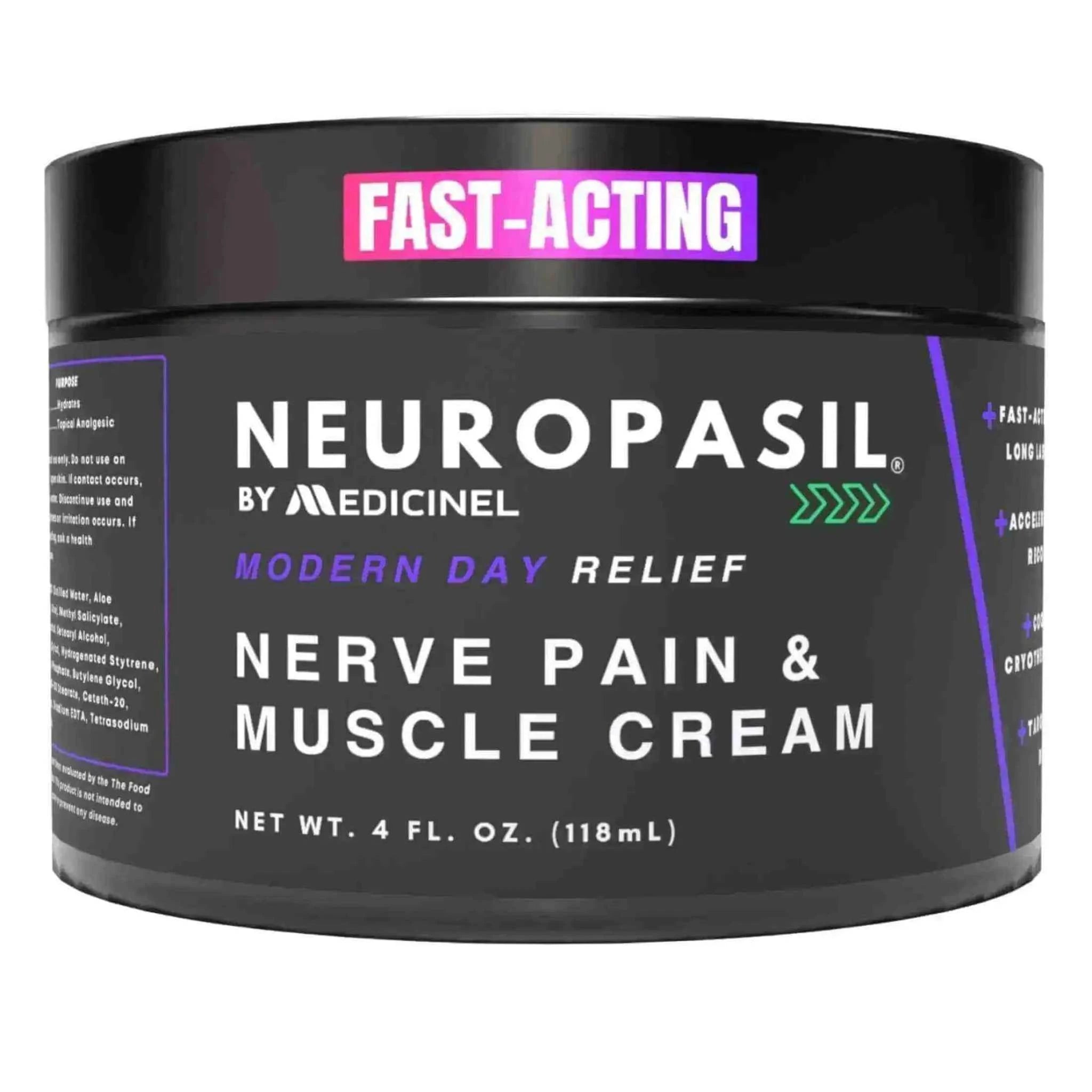
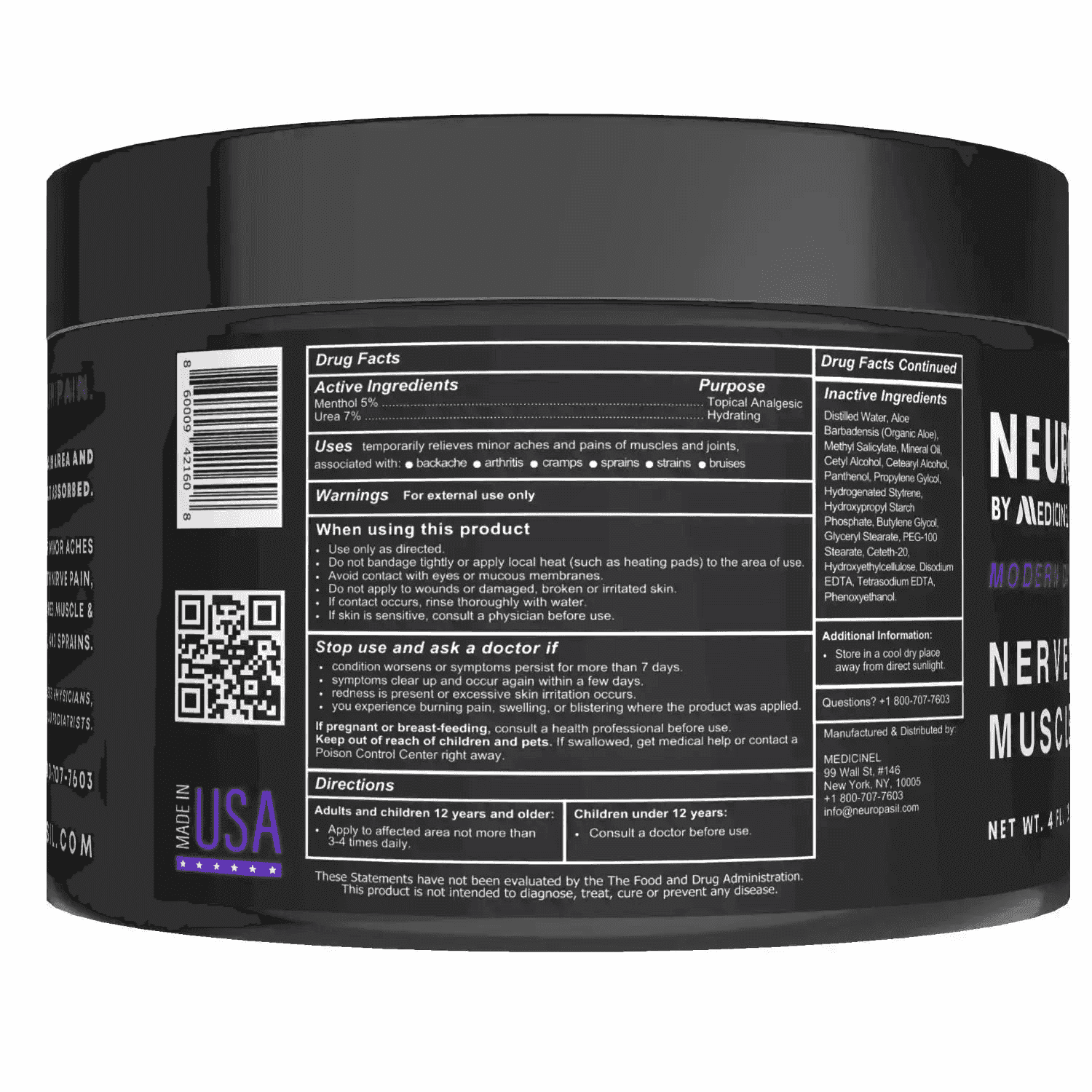
If you're looking for topical relief, many of our customers find that Neuropasil's natural, fast-acting cream provides soothing comfort for cramping feet and sore muscles. Our formula with Aloe, Urea, and Menthol offers targeted relief when you need it most.
Take Control of Your Foot Health
Now that you understand what causes foot cramps, you are better equipped to handle them. Whether it's drinking more water, choosing supportive shoes, or knowing when to see a doctor, you have the tools to take charge.
Your feet carry you everywhere and deserve care. Small changes like regular stretching, eating a balanced diet, and listening to your body can make a significant difference in preventing cramps.
Of course, we know that even with the best prevention efforts, discomfort can still happen. Whether it's lingering soreness after a cramp, general muscle aches, or nerve-related pain, relief matters. That's where we come in.
At Neuropasil, we've poured our hearts into creating natural, fast-acting topical creams that truly work. Our formula brings together Aloe, Urea, and Menthol to deliver targeted, soothing relief for all kinds of pain—from neuropathy and sciatica to plantar fasciitis, muscle cramps, and tired, aching feet. Our customers trust us for muscle recovery and rely on us for everything from back pain to joint discomfort.
You've taken the first step by learning about your foot health. Now take the next one toward lasting comfort.
Shop Neuropasil Nerve Pain Relief Cream
References
Throughout this article, we've drawn on trusted medical sources and research to provide you with accurate, evidence-based information about what causes foot cramps and how to find relief. We believe in transparency and want you to have access to the same resources we've consulted.
The Mayo Clinic offers comprehensive insights into muscle cramp symptoms and causes, helping us understand the various factors at play: https://www.mayoclinic.org/diseases-conditions/muscle-cramp/symptoms-causes/syc-20350820
The Cleveland Clinic provides detailed information about leg cramps, including prevalence data and treatment approaches: https://my.clevelandclinic.org/health/diseases/14170-leg-cramps
Bordoni, B., & Varacallo, M. contributed valuable research on muscle cramps published in StatPearls, which helped inform our understanding of the underlying mechanisms and prevalence: https://www.ncbi.nlm.nih.gov/books/NBK499895/
Miller, K. C., et al. conducted an evidence-based review examining exercise-associated muscle cramps, their pathophysiology, and prevention strategies, published in the Journal of Athletic Training: https://www.ncbi.nlm.nih.gov/pmc/articles/PMC8775277/
Zhou, K., et al. published a Cochrane Review on interventions for leg cramps during pregnancy, which reports a prevalence of 30% to 50%: https://www.cochranelibrary.com/cdsr/doi/10.1002/14651858.CD000121.pub4/full
NHS inform offers practical guidance on leg cramps, their causes, and management strategies: https://www.nhsinform.scot/illnesses-and-conditions/muscle-bone-and-joints/leg-and-foot-problems-and-conditions/leg-cramps/
We encourage you to explore these resources further if you'd like to dive deeper into the science behind foot cramps. Knowledge is power when it comes to taking charge of your health and wellbeing.